
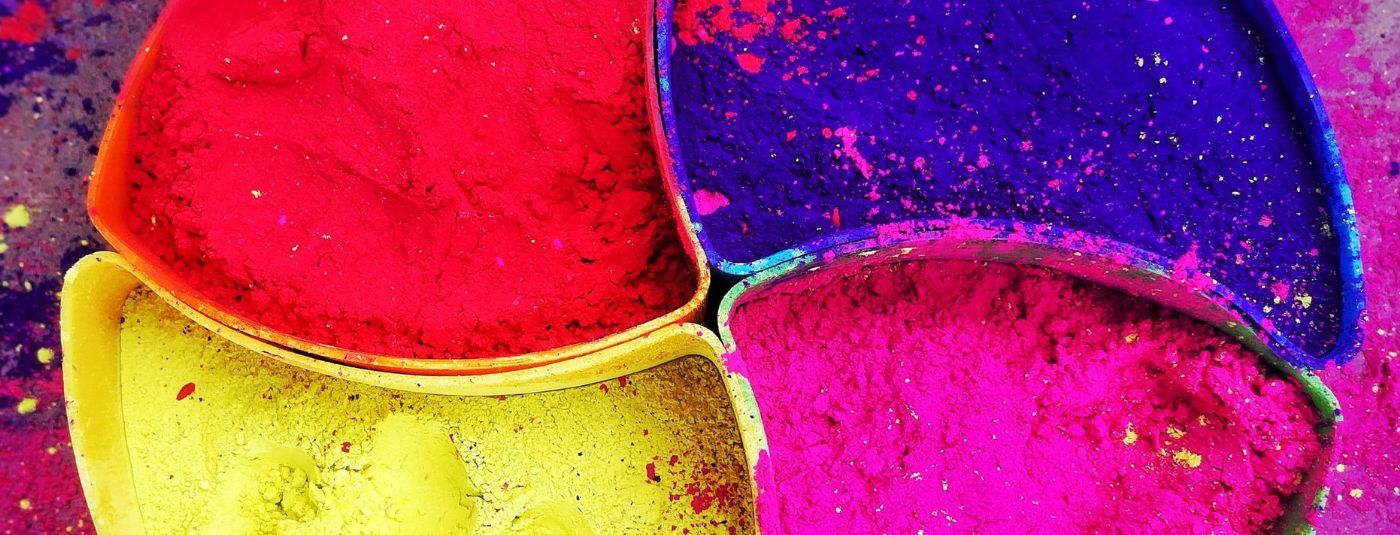
What Are The Colours of Holi?
Holi Colour Meanings: What Each Holi Colour Represents
Holi, also known as the Festival of Colours, is one of the most vibrant and joyful celebrations in the world. Traditionally celebrated across India and Nepal, Holi symbolises the arrival of spring, the triumph of good over evil and the celebration of love, friendship and unity.
During Holi celebrations, people throw colourful powder into the air and gently apply colours to one another’s faces as a symbol of happiness, positivity and togetherness.
However, Holi colours are much more than simply bright and beautiful powders. Each colour used during Holi celebrations carries important symbolism and cultural meaning rooted in Hindu traditions and Indian culture.
At Ministry of Colours, we love helping people celebrate Holi with authentic colour powder. Therefore, we have created this guide explaining the meaning behind each Holi colour and what they represent during the Festival of Colours.

Why Colours Are Important During Holi
The throwing of colour powder, also known as gulal, is one of the most recognisable parts of Holi celebrations.
Traditionally, only red powder was commonly used during Holi. However, over time, celebrations evolved to include a full rainbow of colours, each carrying different meanings connected to:
- Love
- Spirituality
- Nature
- Strength
- Happiness
- Renewal
Today, Holi celebrations are filled with vibrant colour powder clouds that create unforgettable experiences for communities around the world.
Our Holi colour powder products include every major Holi colour used during traditional and modern celebrations.

Red Holi Colour Meaning
Red is one of the most important and traditional Holi colours.
In Indian culture, red symbolises:
- Love
- Marriage
- Life
- Fertility
- Strength
Brides and married women often wear red clothing during weddings and celebrations. Additionally, many Hindu traditions use red to symbolise prosperity and sacred energy.
Many people in India also wear a red mark on their forehead called a tilak, which symbolises spirituality, protection and connection to the divine.
Because of its deep cultural importance, red remains one of the most iconic colours used during Holi celebrations.

Green Holi Colour Meaning
Green represents nature, renewal and new beginnings.
During Holi, green symbolises:
- Growth
- Happiness
- Spring
- Harmony
- New life
Because Holi celebrates the arrival of spring, green naturally plays an important role throughout the festival.
Green is also associated with Rama, one of Vishnu’s avatars, who spent much of his life living in forests during exile.
Consequently, green represents a strong connection to nature and balance.

Yellow Holi Colour Meaning
Yellow is considered one of the most sacred colours in Indian culture.
It symbolises:
- Happiness
- Learning
- Peace
- Healing
- Positivity
Yellow also has strong links to turmeric, which has been used in India for centuries for cooking, spirituality and traditional medicine.
Many Hindu gods, including Krishna and Vishnu, are often shown wearing yellow garments.
Because of its connection to sunlight and warmth, yellow remains one of the brightest and most uplifting colours used during Holi celebrations.
You can learn more about traditional Holi celebrations through the Britannica Holi Festival guide.

Pink Holi Colour Meaning
Pink is one of the more modern additions to Holi celebrations.
Today, pink symbolises:
- Youth
- Playfulness
- Friendship
- Joy
- Celebration
Unlike some colours traditionally associated with gender in Western culture, pink during Holi is embraced equally by everyone.
Because of its bright and cheerful appearance, pink powder is now one of the most popular choices at Holi festivals and colour runs around the world.

Orange Holi Colour Meaning
Orange is a sacred and spiritually powerful colour in Hinduism and other Eastern religions.
Orange symbolises:
- Courage
- Strength
- Spirituality
- Sacrifice
- Wisdom
Hindu monks often wear saffron-orange robes as a sign of spiritual devotion.
Additionally, orange is linked to the sacral chakra, which represents creativity, emotion and personal energy.
Because of this, orange plays an important role during both traditional and modern Holi celebrations.

Purple Holi Colour Meaning
Purple combines the passion of red with the calmness of blue.
As a result, purple symbolises:
- Power
- Creativity
- Spiritual awareness
- Royalty
- Imagination
Purple is also associated with the crown chakra, which is believed to connect people to higher consciousness and spiritual understanding.
In modern Holi celebrations, purple powder creates dramatic and visually striking colour effects that stand out beautifully in photos and festivals.
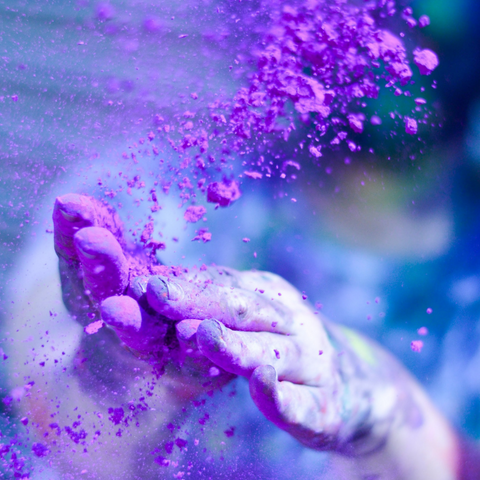
Celebrate Holi with Authentic Colour Powder
As you can see, every colour used during Holi celebrations carries deep cultural and spiritual meaning.
Whether you are celebrating love, friendship, renewal or positivity, Holi colour meanings help make the Festival of Colours even more meaningful and memorable.
At Ministry of Colours, we stock every major Holi colour in our authentic powder range, making it easy to create vibrant celebrations, festivals and colour events.
We also offer:
- Individual powder bags
- Bulk colour powder
- Colour fountains
- Festival accessories
- Event support and advice
If you are planning a Holi celebration or colour event, our team is always happy to help you choose the right colours and products for your event.

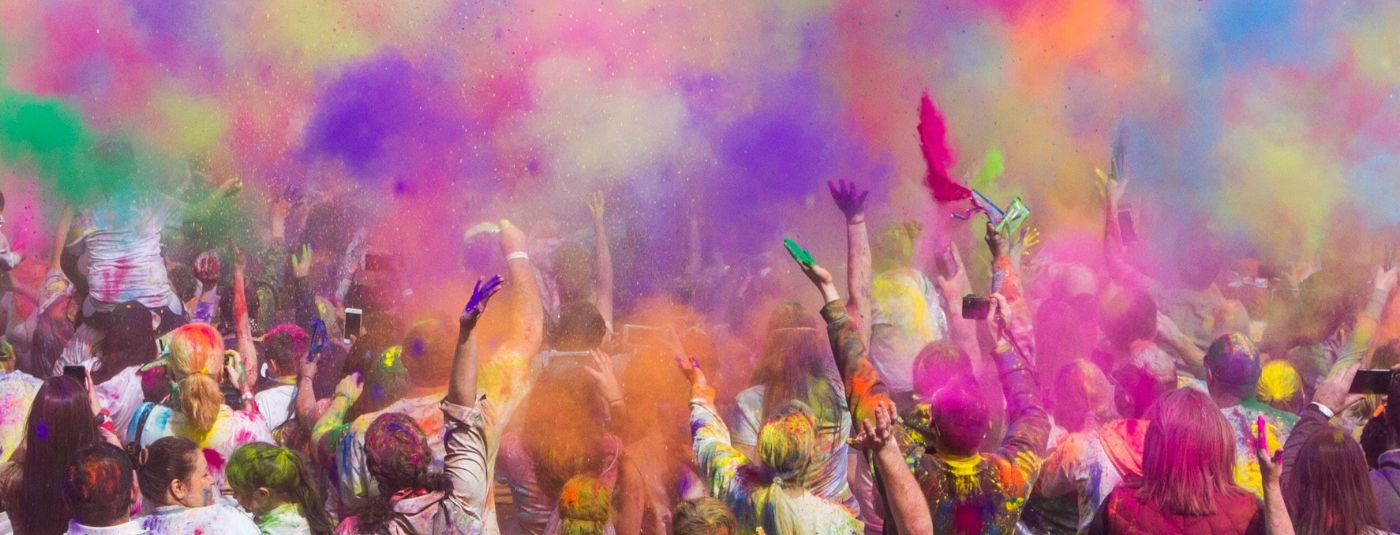
What is Holi? The Ultimate Guide
What Is Holi? Meaning, Traditions & Festival Guide
If you are wondering what is Holi, it is a traditional Hindu spring festival celebrated across India and many other parts of the world. Known as the Festival of Colours, this joyful celebration symbolises love, positivity, togetherness and the triumph of good over evil.
Today, colourful celebrations take place globally, bringing communities together through music, dancing and vibrant colour powder throws. At Ministry of Colours, we love seeing people celebrate this incredible tradition through festivals, parties and community events.
The Meaning Behind the Festival
This ancient Hindu celebration represents:
- The arrival of spring
- Positivity and renewal
- Love and friendship
- Good overcoming evil
Although the festival has many meanings, two important legends remain central to its traditions.
The Story of Radha & Krishna
One famous legend tells the story of Krishna and Radha.
According to Hindu tradition, Krishna worried that Radha would not accept him because of his darker skin tone. However, Krishna’s mother encouraged him to ask Radha to colour his face however she wished.
Radha happily accepted and coloured Krishna’s face, symbolising love, equality and unity. As a result, the playful throwing of colour became one of the festival’s most recognisable traditions.
The Story of Holika & Prahlada
Another important story celebrates the triumph of good over evil.
King Hiranyakashipu demanded that everyone worship only him. However, his son Prahlada remained devoted to Vishnu instead. Eventually, the king asked his sister Holika to help destroy Prahlada using fire.
Holika sat with Prahlada on a burning pyre while wearing a magical fire-resistant cloak. However, because of Prahlada’s devotion and Holika’s evil intentions, the cloak protected Prahlada instead.
Today, this story is remembered through Holika Dahan, which takes place the evening before the main celebrations begin.
You can learn more about the tradition through the Britannica guide to Holi.

When Is the Festival Celebrated?
The celebration takes place on the final full moon day of the Hindu lunar month of Phalguna. Because of this, the exact date changes every year and usually falls between February and March.
Traditionally, celebrations happen across two days:
- Holika Dahan
- Rangwali Holi (Festival of Colours)
How the Festival Is Celebrated
Celebrations are filled with music, dancing, colour powder and traditional food.
People gather in streets, parks and event spaces to:
- Throw colourful powder
- Play with water balloons
- Dance and sing
- Celebrate with family and friends
- Share sweets and food
The throwing of colour powder remains the most famous tradition and creates the vibrant rainbow effect seen at festivals around the world.

Traditional Food & Drinks
Food also plays a huge role during the celebrations.
Popular treats include:
- Gujiya
- Samosa Chaat
- Pani Puri
- Kadhi Kachori
Meanwhile, Thandai remains one of the most traditional festival drinks. This cold milk-based drink contains nuts, seeds and spices.
For more traditional recipes, visit the BBC Good Food festival recipe guide.
Celebrating in the UK
Colour festivals and celebrations have become increasingly popular across the UK in recent years.
Large events now take place in cities including:
- London
- Leeds
- Sheffield
- Birmingham
At Ministry of Colours, we proudly support colourful events and festivals across the country with authentic powder and festival accessories.
If you cannot attend a large event, hosting a smaller colour party at home can still be a fantastic way to celebrate with friends and family.
Celebrate with Ministry of Colours
At Ministry of Colours, we supply vibrant powder and accessories to help create unforgettable celebrations.
Our powders are:
- Non-toxic
- Made using natural ingredients
- Safe for skin contact
- Bright and vibrant
- Perfect for festivals and colour events
If you need help choosing products for your event, our team is always happy to help.