
How Is Colour Powder Used In Special Effects?
Colour Powder Special Effects for Photography & Film
At Ministry of Colours, we are passionate about colour powder and the endless creative possibilities it offers. While colour powder is commonly used for festivals, fundraising events and colour runs, it is also becoming increasingly popular within photography, filmmaking and visual content creation.
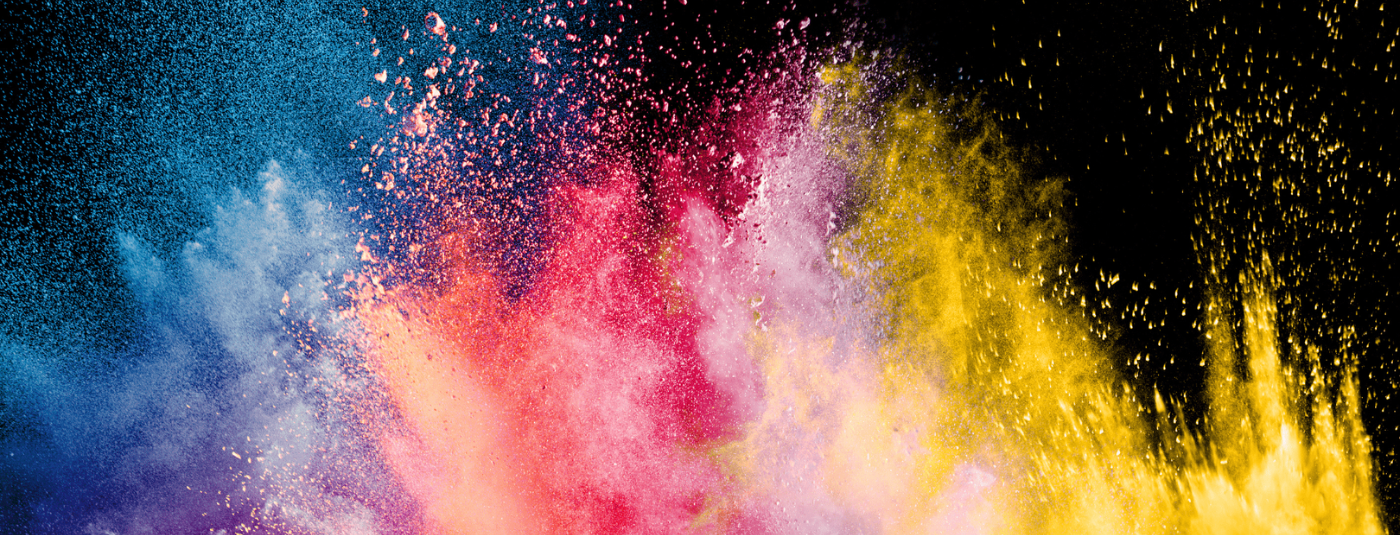
Today, colour powder special effects are widely used to create dramatic visuals, vibrant backgrounds and eye-catching cinematic moments. Because colour powder creates movement, texture and bursts of colour in real time, it adds an exciting visual element that traditional effects often struggle to replicate.
Whether you are planning a photography shoot, filming a music video or creating special effects makeup, colour powder can help transform your creative project into something unforgettable.
Using Colour Powder Special Effects for Photography
One of the most popular ways to use colour powder special effects is during photography shoots. Photographers often use vibrant powder clouds to create striking portraits, action shots and artistic imagery.
Colour powder works especially well for:
- Portrait photography
- Fashion shoots
- Pet photography
- Group photos
- Sports photography
- Creative editorial shoots
Because the powder moves naturally through the air, photographers can capture dramatic moments filled with texture, colour and movement.
Additionally, bright powder explosions create incredible contrast against neutral or outdoor backgrounds, helping images stand out visually.
Our colour powder products are available in a wide variety of vibrant colours, making them ideal for creative photography projects.

Colour Powder Special Effects in Music Videos
Over recent years, colour powder special effects have become increasingly common in music videos because they create dynamic visuals that feel energetic and artistic.
One well-known example is Madeon’s music video for The City, which features colourful powder explosions and slow-motion powder throws throughout the video.
Similarly, Paramore used colour powder effects in their Now music video to simulate dramatic battle scenes and colourful visual effects.
Because colour powder behaves naturally when thrown or exploded, filmmakers can create:
- Slow-motion colour bursts
- Explosion effects
- Dramatic impact visuals
- Dreamlike cinematic scenes
- Celebration sequences
As a result, colour powder helps create visually memorable moments that stand out on screen.
For more inspiration on practical visual effects in filmmaking, you can also explore the StudioBinder practical effects guide.
Using Colour Powder for Videography Projects
Colour powder special effects work particularly well in videography because movement brings the powder to life.
Videographers regularly use colour powder for:
- Promotional videos
- Festival footage
- Brand campaigns
- Dance performances
- Slow-motion content
- Social media reels and adverts
The movement of powder through the air creates dramatic cinematic visuals while also adding energy and excitement to scenes.
Additionally, colour powder fountains can create even larger clouds of colour for bigger productions and outdoor filming.
At Ministry of Colours, our colour fountains are designed to produce powerful streams of vibrant powder, making them ideal for professional creative projects.

Colour Powder Special Effects for Set Design
Filmmakers and photographers also use colour powder special effects during set design and scene creation.
For example:
- White powder can replicate snow or ash
- Red powder can simulate blood effects
- Bright colours can create magical or fantasy scenes
- Dark powders can add dramatic texture to environments
Because colour powder is lightweight and easy to manipulate, production teams can quickly create visual effects without relying entirely on digital editing.
In addition, colour powder often photographs more naturally than CGI effects, helping scenes feel more realistic and immersive.
Using Colour Powder for Makeup & Costume Effects
Another creative use for colour powder special effects is makeup and costume enhancement.
Makeup artists frequently use powder to create:
- Fantasy character looks
- Sci-fi effects
- Zombie and horror makeup
- Coloured skin textures
- Dramatic costume finishes
For example:
- Red powder can simulate blood effects
- Blue and purple powders can create fantasy themes
- White powder can add ghostly textures
- Black powder can create smoky or dramatic finishes
However, when using powder directly on skin or fabrics, it is essential to choose safe and non-toxic products.
Fortunately, our colour powders are made using natural ingredients and non-toxic dyes, making them suitable for creative projects involving skin contact and costumes.

Easy Cleanup After Filming
One concern many production teams have about colour powder special effects is cleanup.
Fortunately, most colour powder can be cleaned using:
- Vacuum cleaners
- Water and cloths
- Outdoor washing
- Pressure washers for larger areas
Because our powders are biodegradable and easy to remove, they are ideal for temporary creative effects without causing long-term damage to sets or locations.
Nevertheless, we always recommend testing powder on sensitive materials before filming.
Why Creators Choose Ministry of Colours
At Ministry of Colours, we supply high-quality colour powder for creative projects across the UK.
Our powders are:
- Non-toxic
- Made using natural ingredients
- Available in 10 vibrant colours
- Easy to clean
- Suitable for photography and film projects
- Available in bulk quantities for productions
We also supply powerful colour powder fountains for large-scale visual effects and cinematic powder explosions.
Whether you are planning a photoshoot, filming a music video or creating dramatic visual effects, our team can help you find the right products for your project.
Bring Your Creative Vision to Life
Colour powder special effects offer a creative, vibrant and visually striking way to enhance photography, film and videography projects.
From dramatic portraits to cinematic explosions of colour, the possibilities are almost endless when using powder creatively.
If you are planning a creative project and need safe, vibrant colour powder for filming or photography, contact Ministry of Colours today and let us help bring your ideas to life.

What Is Diwali? The Ultimate Guide
What Is Diwali? The Ultimate Guide to the Festival of Lights
What is Diwali? Diwali, also known as Deepavali, means the Festival of Lights. Hindus, Sikhs and Jains celebrate Diwali across the world, and many families see it as one of the most important festivals of the year.
Diwali marks new beginnings. It also celebrates the triumph of good over evil and light over darkness. In many communities, it connects with harvest celebrations, family gatherings and fresh starts too.
In this guide, we explain the meaning of Diwali, the story behind the festival, key traditions and simple ways to join in respectfully.
What Does Diwali Mean?
The word Diwali comes from the Sanskrit word Deepavali, which means “row of lights”. Because of this, many people call Diwali the Festival of Lights.
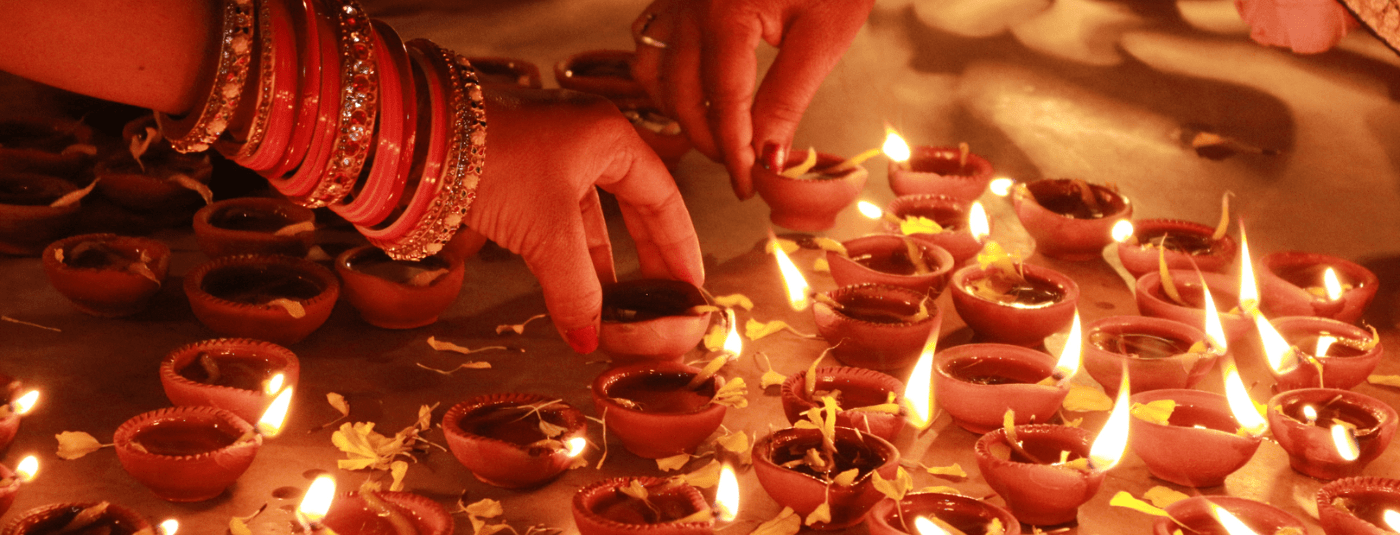
During the festival, families light diyas, candles and lamps. These lights represent hope, knowledge, goodness and the victory of light over darkness.
This tradition means different things to different communities. However, many people connect it with joy, prosperity, family, reflection and new beginnings.
The Royal Museums Greenwich explains that Diwali celebrates new beginnings and the victory of light over darkness and good over evil. In addition, traditions can vary depending on the region and community.
The Story of Lord Rama and Sita
One of the best-known Diwali stories tells of Lord Rama, his wife Sita Devi and his brother Lakshmana.
According to Hindu mythology, Rama returned home after 14 years of exile. During that time, he defeated the demon king Ravana and rescued Sita.
To welcome Rama, Sita and Lakshmana home, villagers lit rows of diyas to guide their path. As a result, many people now connect Diwali with light, hope and the victory of good over evil.
Today, families continue this tradition by lighting lamps, decorating their homes and spending time together.

Why Do People Celebrate Diwali?
People celebrate Diwali for several reasons. For many Hindus, it marks the return of Lord Rama and the defeat of Ravana. In addition, many families honour Lakshmi, the goddess of wealth and prosperity.
During the Festival of Lights, families light lamps and open windows and doors. They do this to welcome Lakshmi into the home.
Before the festival begins, many people clean and decorate their homes. This creates a fresh start and prepares the home for blessings, good fortune and success.
Diwali also holds meaning for Sikhs and Jains. For Sikhs, the festival connects with Bandi Chhor Divas, which marks the release of Guru Hargobind Sahib Ji. Meanwhile, Jains connect Diwali with the spiritual liberation of Lord Mahavira.
Because of this, this tradition carries deep meaning for several communities.
How Do People Celebrate Diwali?
Diwali usually lasts five days. Each day has its own meaning, traditions and activities.
People often celebrate by:
- Cleaning and decorating their homes
- Lighting diyas, candles and lamps
- Creating Rangoli patterns
- Taking part in prayers and puja ceremonies
- Enjoying fireworks and light displays
- Sharing sweets and festive meals
- Wearing new clothes
- Visiting friends and family
- Exchanging gifts
However, traditions can vary between regions, religions and families.

Day One: Dhanteras
The first day of Diwali is Dhanteras. This day focuses on wealth, good fortune and prosperity.
On this day, many families clean their homes and prepare for the festival. Some people also buy new items, such as jewellery, utensils or household goods, as a symbol of good luck.
In addition, families decorate their homes with lights and colourful Rangoli designs.
Day Two: Naraka Chaturdashi
The second day is Naraka Chaturdashi, also called Choti Diwali.
This day focuses on the triumph of good over evil. In some traditions, families remember the defeat of the demon Narakasura.
Many people also light lamps, decorate their homes and prepare sweets for the main Diwali celebrations.
Day Three: Diwali and Lakshmi Puja
The third day is the main day of Diwali. Many families also call it Lakshmi Puja.
On this day, families light diyas, decorate their homes and pray to Lakshmi, the goddess of wealth. They may also open doors and windows to welcome her in.
After prayers, families often enjoy fireworks, festive food, sweets and time together.
Day Four: Govardhan Puja or Bali Pratipada
The fourth day has different meanings in different regions.
Some families celebrate Govardhan Puja, which connects with Lord Krishna. Others mark Bali Pratipada, which honours the story of King Bali.
For many families, this day also includes visiting loved ones, wearing new clothes and exchanging gifts.

Day Five: Bhai Dooj
The fifth and final day is Bhai Dooj.
This day celebrates the bond between brothers and sisters. Traditionally, brothers visit their sisters and bring gifts. In return, sisters prepare food and pray for their brothers’ wellbeing and protection.
Overall, Bhai Dooj creates a warm and family-focused end to the five-day festival.
When Do People Celebrate Diwali?
Diwali falls on the 15th day of the Hindu month of Kartik. This usually happens between late October and early November.
The date changes each year because the festival follows the Hindu lunar calendar.
In 2026, Diwali falls on Sunday 8 November. Many families celebrate the wider five-day festival around this date.
Can Anyone Celebrate Diwali?
Yes, anyone can celebrate Diwali respectfully.
You can join in by learning about the festival, attending a local event, decorating your home, lighting candles, sharing food or creating Rangoli art.
However, the celebration has deep cultural and religious meaning. Therefore, take time to understand the traditions behind the celebration, especially if you attend a community event.

Create Rangoli Art at Home
Rangoli is one of the most beautiful Diwali traditions. People create colourful patterns on floors, doorsteps and tabletops to welcome guests and bring colour into the home.
Traditionally, families use coloured sand, flower petals, rice flour or coloured powders. Today, many people also use ready-made kits to make the activity easier.
At Ministry of Colours, our Rangoli art kits help you create colourful designs at home, in schools or outside on the pavement.
Each kit includes vibrant colours in easy-to-use squeezy bottles. Therefore, you get more control over your design, even if you are new to Rangoli art.
If you want to keep creating, we also stock Rangoli refill packs. These work perfectly for schools, community groups, Diwali events and families who want to make several designs.
You can also take your Rangoli art to the next level with our Rangoli Ylang Ylang scented marble dust, which adds a scented finish to your artwork.
